Start a New Plastic Injection Molding Quote
STEP | STP | SLDPRT | STL | IPT | 3MF | 3DXML | PRT | SAT files and more!
Share drawings, sample photos, dimensions, or project notes and our team will follow up with a manufacturing review.
KH-TAT Injection Molding Services
Injection molding is currently the most cost-effective method for mass-producing high-quality, consistent plastic parts. Compared to other manufacturing processes, injection molding offers the widest selection of materials, colors and Surface Finishes.
KH-TAT's custom injection molding services provide prototyping and production solutions on demand. Leveraging our extensive supplier network, we find the right partners to produce your ideal parts without compromising design and at competitive prices. Our team provides expert consulting and project management services, with deep experience in medical injection molding, liquid silicone rubber molding, domestic and China injection molding, and ITAR-compliant injection molding for sensitive projects.
We simplify the complex injection molding process into straightforward steps. Simply upload 3D CAD files to the KH-TAT instant quoting engine — most projects receive automatic quotes with no waiting needed for budgeting and project planning. When ready, submit a review request and our team will work closely with you at every stage.
How Custom Plastic Injection Molding Works
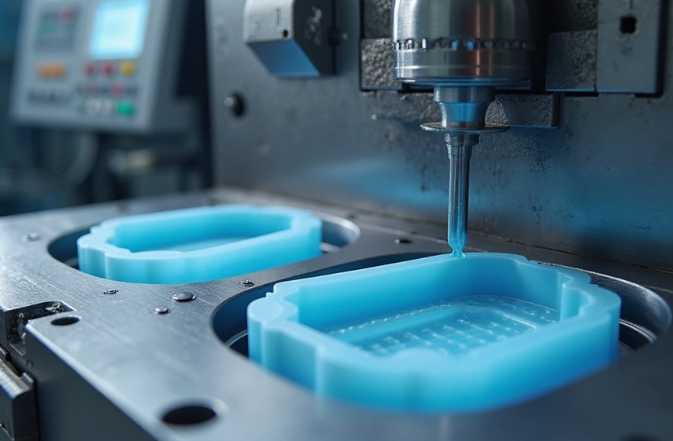
The plastic injection molding process requires an injection molding machine, plastic raw material, and a machined mold. Plastic raw material is heated and melted in the injection unit, injected into the mold (typically machined from steel or aluminum), and cooled to form the final plastic part. At KH-TAT, we first review your injection molding quote and part manufacturability online, then communicate with you to ensure specifications, lead times, and pricing meet project requirements. We use your provided 3D CAD model to manufacture high-quality injection molds through CNC machining. After the mold is built, samples (T1) are shipped for your review. After the mold is refined and approved, full production begins.
Through this process, we can manufacture everything from the smallest medical devices to large automotive, aerospace, and defense components.
Injection Molding Services Capabilities
| Capability | Details |
|---|---|
|
T1 Samples Lead Time |
As fast as 5 business days; 3 weeks is typical for most projects |
|
Production Options |
Domestic and international |
|
Materials |
Any commercially available injection moldable plastic material |
|
Machines & Tooling |
Single, multi-cavity, and family molds; 50 to 3,700+ ton presses; automated side actions or hand-loaded cores |
|
Inspection and Certification Options |
ISO 9001, AS9100, ISO 13485, IATF 16949 UL, ITAR, and ISO 7 and 8 Medical Clean Rooms; FAI and PAPP available |
|
Tool Ownership |
Customer-owned with mold maintenance |
|
General Mold Cavity Tolerances |
+/- 0.005" when machining the mold and an additional +/- 0.002" per inch when calculating for shrink rate |
|
Critical Feature Tolerances |
Xometry can mill to a steel-safe condition on critical features and groom the tool to dial in tight tolerances |
|
Part to Part Repeatability |
+/- 0.004" or less |
|
Mold Classes |
Steel and aluminum tooling; Class 105 (prototype) to Class 101 (extremely high production) molds |
This table depicts the general tolerances for Xometry’s plastic injection molding service and accounts for adequate draft, radii, and coring for manufacturability. Learn more about our injection molding manufacturing standards.
How Custom Plastic Injection Molding Works
The plastic injection molding process requires an injection molding machine, raw plastic material, and a machined mold. The raw plastic material is first melted and then injected into the mold—most often machined from steel or aluminum—where it cools and solidifies into the final plastic part, and then finally ejected from the machine.
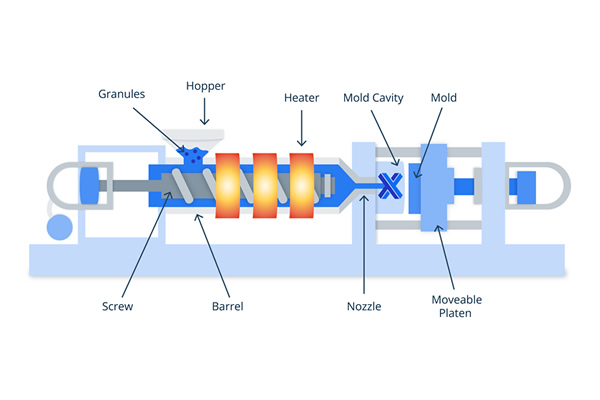
At Xometry, we can review your injection molding project for manufacturability and consult with you to ensure your specifications, lead time, and price fit your needs. We use your 3D CAD to CNC machine a high-quality injection mold. Once tooling is created, Xometry sends samples (T1) for approval. Once samples are approved, Xometry begins production. We use this process to mold everything from the smallest medical insert up to large automotive, aerospace, and defense parts.
Rigid Plastic Materials
KH-TAT offers a wide range of rigid plastic materials to meet various injection molding application needs:
- ABS (Acrylonitrile Butadiene Styrene):High-strength general-purpose engineering plastic, widely used in commercial product manufacturing.
- ASA (Acrylonitrile Styrene Acrylate):Similar properties to ABS with higher fade resistance, suitable for outdoor applications.
- CA (Cellulose Acetate):Flexible transparent material, suitable for food contact products, commonly found in eyewear and film products.
- HDPE (High-Density Polyethylene):Excellent strength-to-weight ratio and chemical resistance, suitable for fuel tanks, connector insulators, food containers and outdoor equipment.
- LCP (Liquid Crystal Polymer):Maintains good mechanical properties at high temperatures with low dielectric constant, suitable for micro molding, thin-wall components, electrical connectors and medical devices.
- LDPE (Low-Density Polyethylene):Flexible and durable, lower density than HDPE, does not react with acids, alkalis or alcohols. Suitable for trays, snap-on lids and general-purpose containers.
- PA6 (Polyamide 6 / Nylon 6):Offers high mechanical strength, rigidity and good heat and chemical resistance.
- PA6/6 (Polyamide 6/6 / Nylon 6/6):Superior mechanical strength, rigidity and heat/chemical resistance.
- PARA (Polyarylamide):Often blended with glass or mineral fibers, high rigidity, low creep and low water absorption. Suitable for handheld devices and medical electronics structural components.
- PBT (Polybutylene Terephthalate / Valox):Common electronics insulator with better wear resistance than nylon, widely used in the automotive industry.
- PBT-PET:Composite blend of PBT and PET.
- PC (Polycarbonate):Transparent or colored lightweight plastic with high impact resistance, suitable for safety equipment, lenses and electronic components.
- PC-ABS:Combines PC strength with ABS toughness, slightly more flexible than standard polycarbonate.
- PC-PBT (Xenoy):Tough rigid material resistant to lubricants, solvents and cleaners, commonly found in electronics housings.
- PC-PET:Blend of PC and PET — tough, durable and chemical resistant. Can replace PC-ABS, suitable for sports equipment and healthcare applications.
- PCT (Polycyclohexylene Dimethylene Terephthalate):Thermoplastic polyester with low moisture absorption and good environmental stability, commonly used in connectors and switches.
- PE (Polyethylene):One of the most commonly used plastics worldwide. High ductility, wear resistance and chemical resistance. Graded by molecular weight into UHMW PE, LDPE, HDPE and more. Widely used in packaging, tubing, films and bottles.
- PEEK (Polyether Ether Ketone):Tensile strength far exceeds most plastics. High temperature resistance, chemical resistance, wear resistance and moisture resistance. Often used as a lightweight alternative to metal components.
- PEI (Polyetherimide / Ultem):Extremely high heat and flame resistance, widely used in the medical field. Better cost-performance than PEEK.
- PE-PP:Polypropylene and polyethylene resin mixture.
- PE-PS:Polyethylene and polystyrene resin mixture.
- PES (Polyethersulfone):Rigid transparent plastic with chemical inertness, biocompatibility and sterilizability. Suitable for food contact equipment and areas with high chemical exposure risk.
- PET (Polyethylene Terephthalate / Rynite):Transparent, strong and lightweight polyethylene resin, food-safe and recyclable. Widely used in food packaging, soda bottles and glass jars.
- PLA (Polylactic Acid):Biodegradable and renewable plastic with a low glass transition temperature. Suitable for short-use products.
- PMMA (Polymethyl Methacrylate / Acrylic / Acrylate):Transparent glass-like plastic with good wear resistance, suitable for outdoor use.
- POM (Polyoxymethylene / Acetal / Delrin):Good moisture resistance, high wear resistance and low friction coefficient.
- PP (Polypropylene):Excellent electrical properties, extremely low moisture absorption, can carry light loads for extended periods. Suitable for chemical-resistant parts.
- PPA (Polyphthalamide):A subset of nylon with high melting point, low moisture absorption and resistance to highly corrosive chemicals. Suitable for fuel lines, fluid lines and headlight housings.
- PPS (Polyphenylene Sulfide / Ryton):High-performance thermoplastic with excellent solvent resistance.
- PS (Polystyrene):Transparent, hard and brittle material. Widely used in food packaging, clamshell containers and disposable tableware.
- PS-PPE (Noryl):High heat and flame resistance, maintains high stiffness and tensile strength at elevated temperatures.
- PSU (Polysulfone / Udel):Rigid, hard and transparent plastic, a high-performance alternative to polycarbonate.
- PVC (Polyvinyl Chloride):Rigid general-purpose plastic commonly found in piping, non-food packaging and decorative materials.
- PVDF (Polyvinylidene Fluoride / Kynar):Chemically stable with high temperature resistance and low friction coefficient. Suitable for piping components, bearings, chemical handling, wire insulation and tubing.
- SAN (Styrene-Acrylonitrile Copolymer):Heat-resistant transparent polystyrene, low cost with high transparency and gloss. Widely used in household goods, door handles and kitchenware.
- TPO (Thermoplastic Olefin):Flexible plastic with good chemical resistance, lower temperature resistance than PP.
- TPU (Thermoplastic Polyurethane):Tough, wear-resistant resin combining rubber and plastic properties. Can be formulated as rigid or elastomeric, with high fracture toughness and toughness. Suitable for wheels and door panels.
Elastomer & Rubber Molding Materials
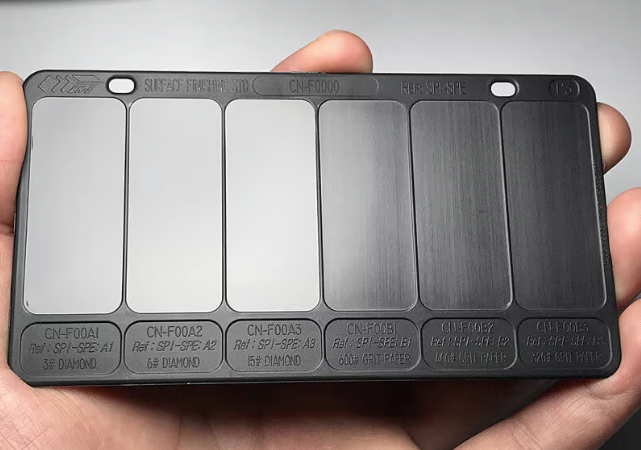
Injection Mold Surface Finish & Post-Processing Options

Ready to review a custom Plastic Injection Molding project?
Upload CAD files, drawings, sample photos, or basic dimensions and we will follow up with manufacturability notes and a quote.
Plastic Injection Molding Services: Applications & Advantages
Why Choose Us for 3D Printing?

Unlimited Options
Choose from millions of combinations of materials, surface finishes, tolerance levels, marking methods, and certifications to flexibly match your order requirements for truly customized manufacturing.

Easy to Use
No need to handle procurement, project management, logistics, or shipping yourself — we handle everything, parts arrive directly at your door, letting you focus on your core business.

Vetted Network
KH-TAT is Certified to ISO 9001:2015, ISO 13485, IATF 16949:2016, and AS9100D, ensuring every part meets strict industry standards and quality requirements.
Instant Pricing & Lead Time Estimation
Simplify your budgeting and procurement with the KH-TAT instant quote engine. Upload a 3D CAD file to receive an auto-quote estimate including price and lead time — plan your project without waiting for a manual quote. This powerful tool provides the information upfront, saving you valuable time. When you're ready to proceed, our expert team will conduct a full review, confirm and finalize the quote, and provide consulting support to ensure smooth project execution.
Built-in Tool Management
The KH-TAT platform includes multiple features that make mold project management more convenient and increase production transparency for clients. Through the mold library, you can view all mold quotes and orders in one centralized space. On the mold detail page, you can check current status, milestones, specifications, and related activities. No matter what stage your project is at, you can easily reach the KH-TAT team member responsible for your project.
Tool Library & Tool Detail Page offer multiple advantages:
- More efficient management of tool quotes and orders
- Clear tool organization and categorization
- Detailed status updates and tool information
- Easy access to expert teams
- Full-process transparent and controllable projects

Injection Molding FAQ
Other Molding Services
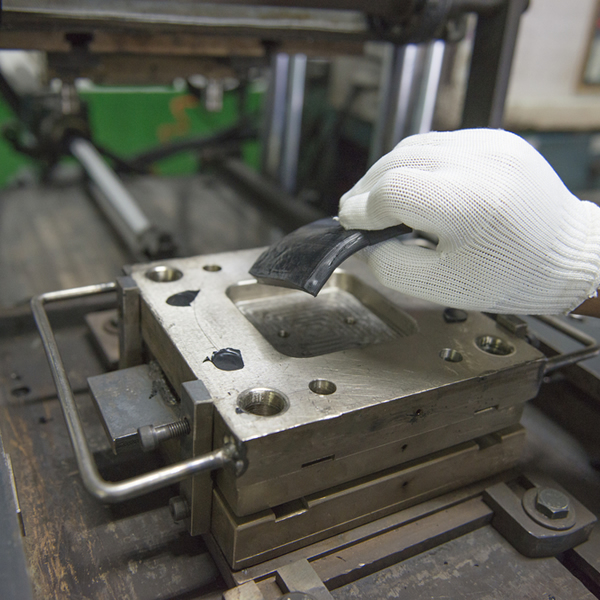
Compression Molding Services
Durable, high-strength components for demanding applications, meeting various high-performance requirements.
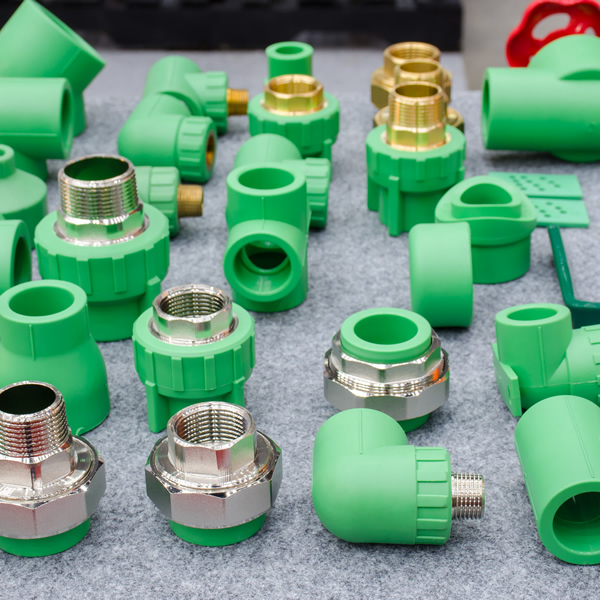
Insert Molding Services
Rugged, fully functional prototype and production parts using insert molding technology.
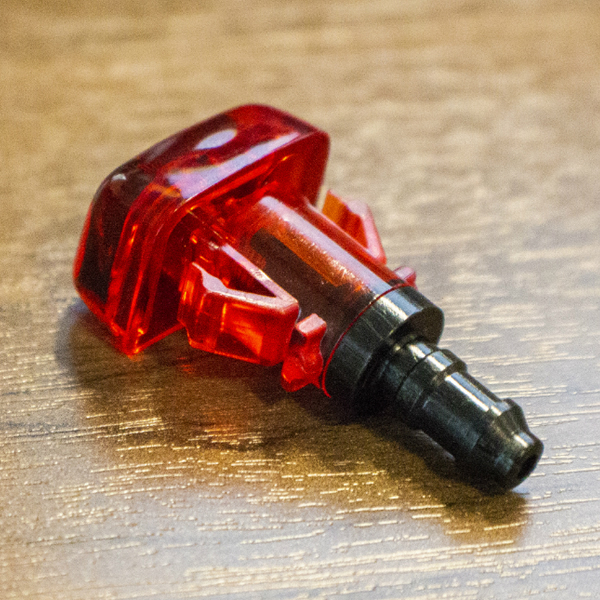
Overmolding Services
High-quality custom injection molded products with multiple material and finish options. Each order includes project management and expert support.
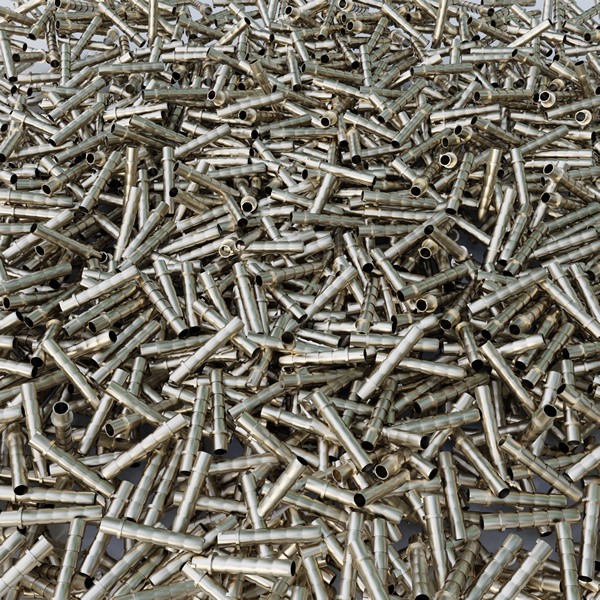
Metal Injection Molding Services
KH-TAT can volume-produce complex small metal parts to meet precision manufacturing needs.
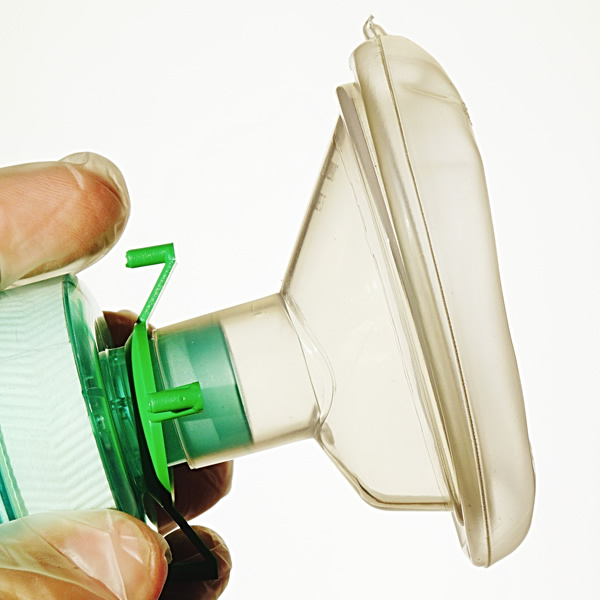
Liquid Silicone Rubber Molding
Custom silicone prototype and end-use parts in 15 days or less using liquid silicone rubber (LSR) materials of various hardnesses and grades.
Note: Subject to material availability; KH-TAT does not guarantee this service at all times.

Gas-Assisted Injection Molding
Custom gas-assisted plastic molded prototypes and production parts available in as fast as 10 business days. Expert engineering review provided, with $500 off your first tool. Dozens of materials and Surface Finish options available.

Medical Injection Molding Services
High-quality injection molded parts including ISO 13485 certified medical device manufacturing. $500 off first tool.
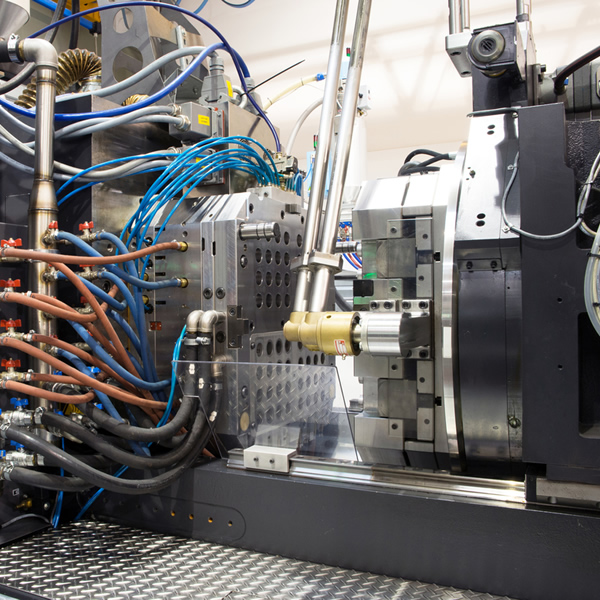
Large Part Injection Molding Services
Custom plastic molded prototype and production parts in as fast as 10 business days. Professional engineering review included, $500 off first tool. Dozens of material and finish options available.