Start a New Metal 3D Printing Service Quote
STEP | STP | SLDPRT | STL | IPT | 3MF | 3DXML | PRT | SAT files and more!
Share drawings, sample photos, dimensions, or project notes and our team will follow up with a manufacturing review.
What is Metal 3D Printing?
Metal 3D Printing is an additive manufacturing technology that melts metal powder layer by layer using a high-energy source, solidifying it into a dense metal object.This process produces metal parts with excellent mechanical properties, widely used in Aerospace, automotive, medical, and industrial equipment fields.
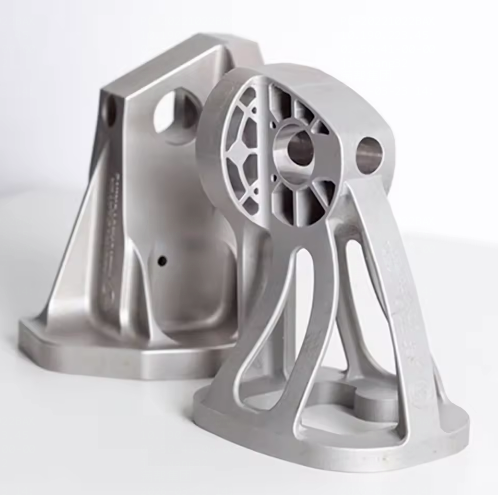
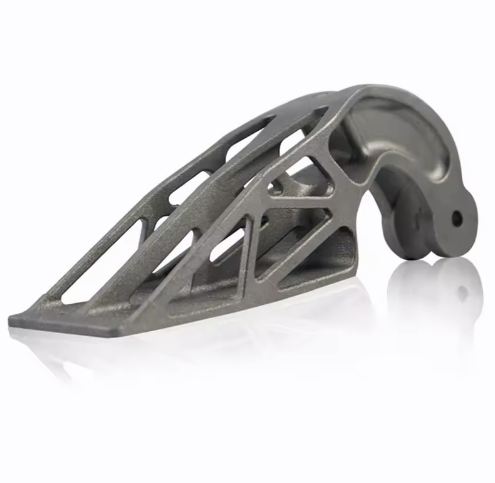
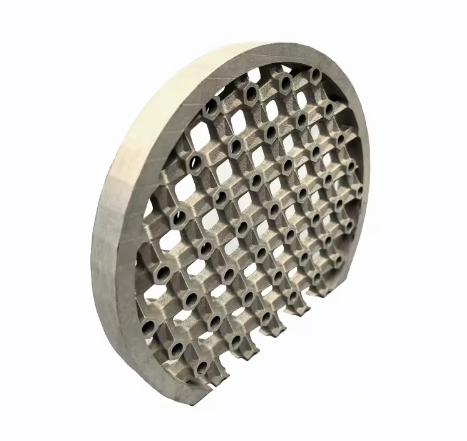
Compared to traditional CNC machining or metal casting, Metal 3D Printing preserves metal strength and durability while giving designers greater freedom.It can form complex internal structures, lattice topologies, and geometries difficult to achieve with traditional subtractive processes, opening new possibilities for lightweight design, functional integration, and personalized manufacturing.
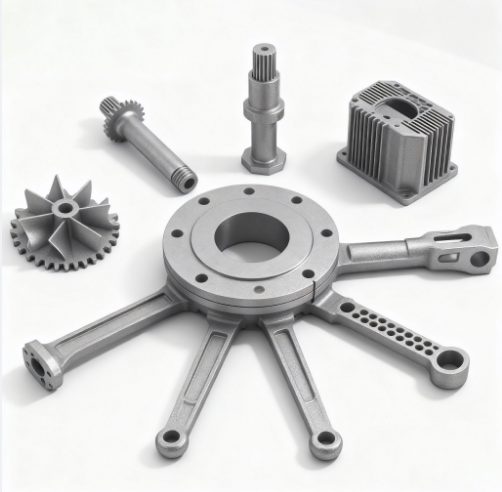
Metal 3D Printing Technology Advantages
The core advantage of metal 3D printing technology is its ability to produce high-performance, structurally complex metal parts suitable for various end-use environments. Finished parts have isotropic characteristics with uniform mechanical properties in X, Y, and Z directions, while supporting various engineering metal materials including aluminum alloys, stainless steel, titanium alloys, and Inconel. This technology can integrate multiple independent components into a single part, reducing failure risks from threaded connections and inserts while improving structural strength and reliability. Since no molds or complex tooling are required, metal 3D printing can achieve complex features like internal channels and lattice structures at minimal cost, especially suitable for fast delivery of low-volume, high-complexity parts, significantly shortening the design-to-finished product cycle.
Metal 3D Printing
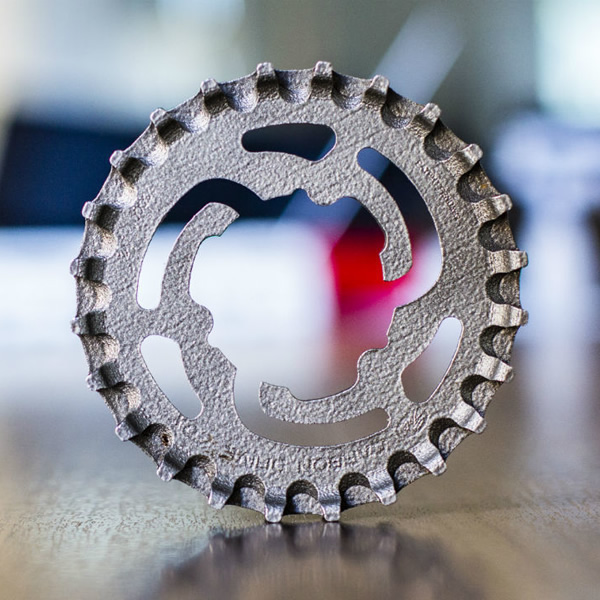
Direct Metal Laser Sintering (DMLS) 3D Printing Service
Instant quotes for metal prototypes and production parts | Free shipping on all US orders | ISO 9001:2015, ISO 13485, IATF 16949:2016, AS9100D certified. ITAR registered.
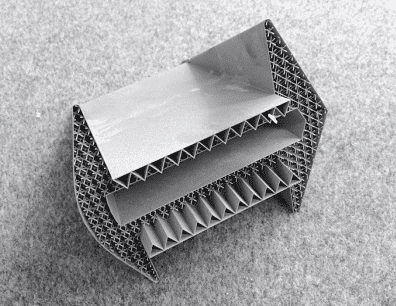
Metal Binder Jetting 3D Printing Service
Upload your CAD files to get an instant quote on parts. Free shipping on all US orders.
DMLS vs. Metal Binder Jetting: How to Choose
KH-TAT offers two mainstream metal 3D printing processes: Direct Metal Laser Sintering (DMLS) and Metal Binder Jetting.Both can be used for on-demand manufacturing of metal prototypes, molds, and end-use parts, but there are significant differences in forming principles, Material System, mechanical properties, cost structure, and lead times, suitable for different Applications.
Direct Metal Laser Sintering (DMLS) Technology Overview
Direct Metal Laser Sintering (DMLS), also known as Selective Laser Melting (SLM), uses high-energy lasers to scan and fully melt metal powder layer by layer, building high-density metal parts from bottom to top.The Core Advantages of this process lie in its ability to form fully dense metal structures, suitable for Applications with strict sealing and strength requirements like fluid channels and heat exchange components.
DMLS supports various common alloys including aluminum-silicon alloy (AlSi10Mg), 17-4 stainless steel, 316L stainless steel, and high-performance materials like Inconel and maraging steel.Although DMLS has higher per-unit costs than binder jetting, its forming precision and mechanical properties are superior, suitable for fields like Aerospace, medical implants, and High Precision industrial components.
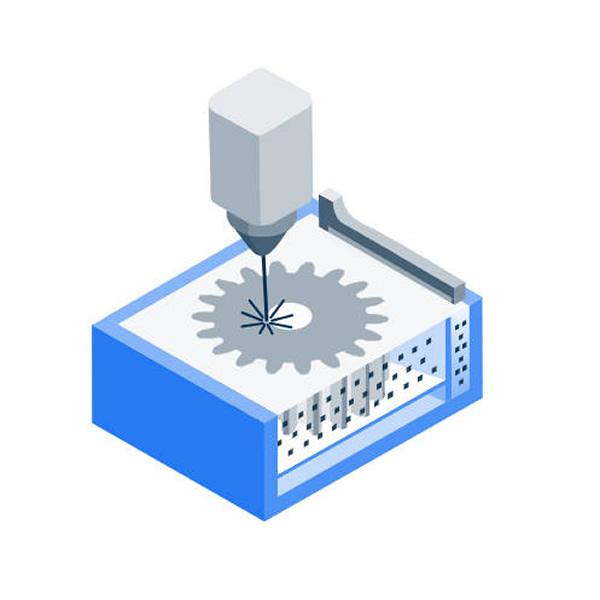
Metal Binder Jetting Technology Overview
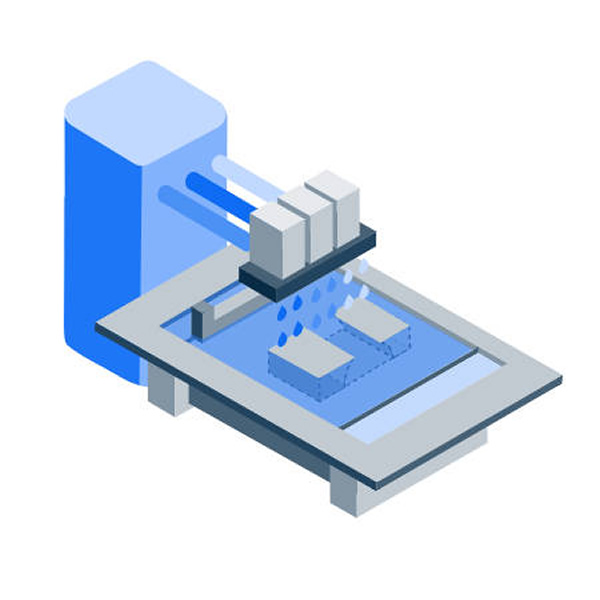
Metal binder jetting is a multi-step forming process. First, print heads selectively deposit binder on the metal powder bed surface, bonding powder particles into a 3D blank; the formed "green part" undergoes curing treatment, then enters a sintering furnace for high-temperature densification, or strength enhancement via copper infiltration.Since the powder bed provides natural support for overhanging structures during forming, binder jetting requires no additional support structures, greatly simplifying post-processing workflows.
The Core Advantages of this process are fast print speeds and low forming costs, suitable for low-volume production of small-to-medium sized parts.Sintered metal parts can reach 95%+ density with good mechanical properties, suitable for functional prototypes and end-use components.Additionally, binder jetting has found wide applications in art design, customized consumer goods, and scientific research education due to its controllable costs and flexible forming.
Note that binder jetting parts undergo uniform shrinkage during sintering. Design stages should follow Design for Manufacturing (DFM) principles with pre-compensation of model dimensions (typically 1-2% reduction) and corresponding adjustments to hole diameters and feature sizes.
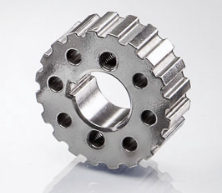
Direct Metal Laser Sintering (DMLS) Common Materials
- Aluminum Silicon Alloy AlSi10Mg
- 17-4 Stainless Steel
- 316L Stainless Steel
- Inconel (Customizable)
- Maraging Steel (Customizable)
- Metal Binder Jetting Common Materials
- 316L Stainless Steel (Single Alloy)
- Other materials customizable based on availability
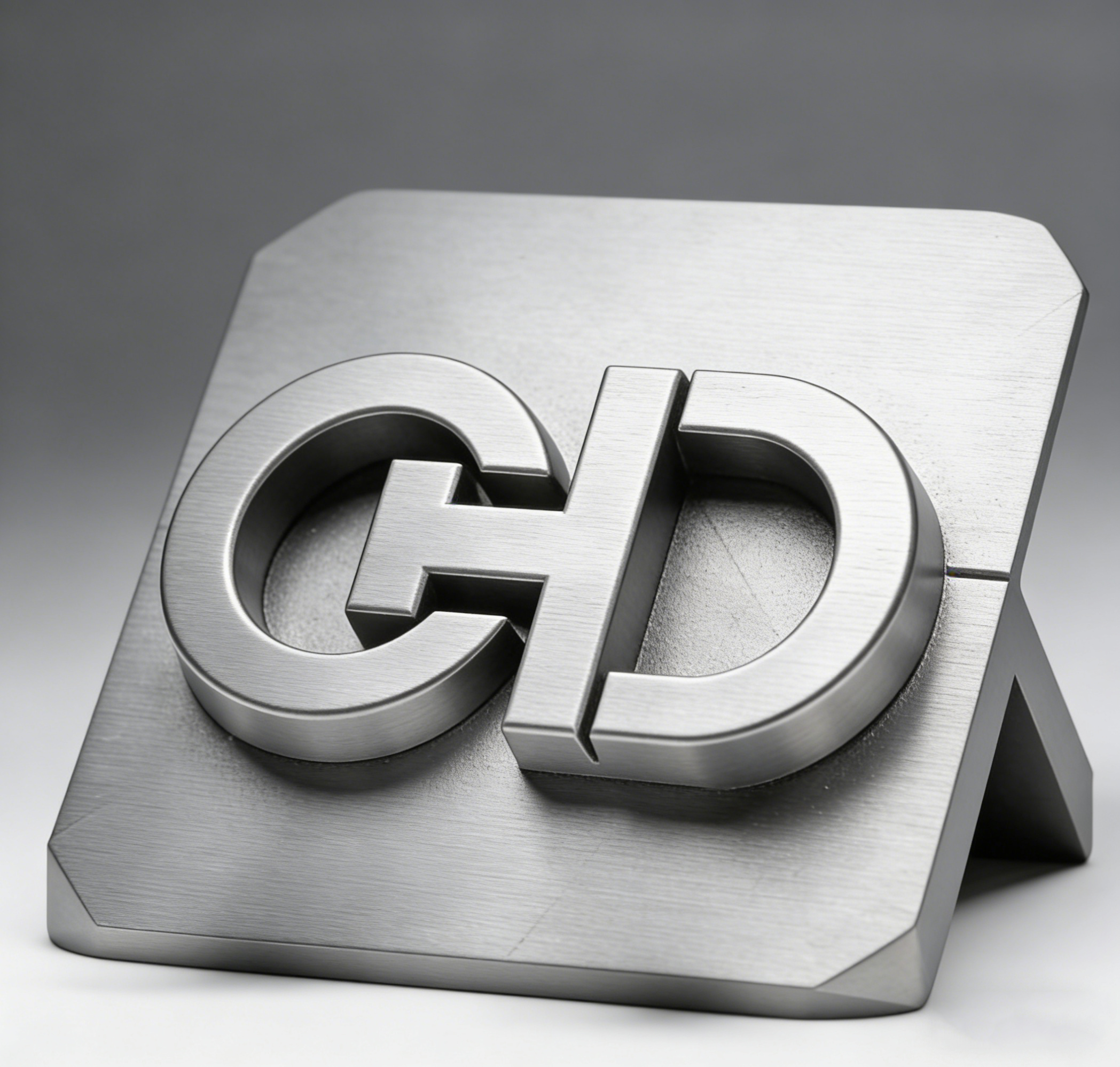
Metal Binder Jetting Materials
- Single alloy 316L SS
- Other materials subject to market availability
Metal 3D Printing Industry Applications
Metal 3D Printing technology is widely used in industrial manufacturing, especially prominent in rapid tooling preparation.Can form complex curvature structures and thin-walled parts such as conformal cooling fixtures, stamping dies, and cutting blades, significantly shortening tooling development cycles.
In high-end manufacturing fields like consumer goods, robotics, Aerospace, and defense, Metal 3D Printing is used to manufacture integrated fastening structures, end effectors, and lightweight lattice components.Since formed parts have excellent mechanical properties and durability, they can be directly used as functional prototypes or end-use components.

Ready to get started on your custom metal 3D printing quote?
Free shipping available for domestic 3D printing orders
Why Choose kh-tat for Metal 3D Printing?

Unlimited Options
Choose from millions of combinations of materials, surface finishes, tolerance levels, marking methods, and certifications to flexibly match your order requirements for truly customized manufacturing.

Easy to Use
No need to handle procurement, project management, logistics, or shipping yourself — we handle everything, parts arrive directly at your door, letting you focus on your core business.

Quality Assurance
KH-TAT is Certified to ISO 9001:2015, ISO 13485, IATF 16949:2016, and AS9100D, ensuring every part meets strict industry standards and quality requirements.
Get the DMLS Design Guide