Start a New Micro Molding Quote
STEP | STP | SLDPRT | STL | IPT | 3MF | 3DXML | PRT | SAT files and more!
Share drawings, sample photos, dimensions, or project notes and our team will follow up with a manufacturing review.
Micro injection molding is a high-precision branch of plastic injection molding, focused on producing micro parts with feature sizes typically below the millimeter scale. This process has broad applications in the manufacturing of medical devices, electronic components, automotive parts and aerospace assemblies. Its core advantage is the ability to batch-produce precision parts with microstructures at controllable costs, compatible with multiple engineering materials.
KH-TAT provides high-quality micro injection molding services across industries. Typical applications include tiny precision components such as integrated circuit elements and automotive door lock mechanisms. Leveraging our extensive manufacturing network and deep process expertise, we ensure parts meet quality standards in the shortest possible lead time.
Micro Injection Molding Process Explained
The micro injection molding process is fundamentally similar to standard injection molding in principle, but imposes stricter process control requirements to ensure quality of micro-scale features. Mold manufacturing must be completed before the process starts, using precision manufacturing techniques such as EDM, micro-EDM and micro-machining to achieve ultra-high-precision molds with micron-level tolerance control.
Once the mold is prepared, it is installed on micro injection molding equipment. Thermoplastic materials or liquid silicone rubber are melted under constant temperature and injected into micro cavities at controlled flow rates, with specific pressure maintained during cooling to preserve dimensional stability. The equipment's advanced built-in control system ensures consistent molding parameters. After cooling, the molded parts are ejected and undergo dimensional inspection to verify tolerance compliance.
Micro Molding Process Types
Micro molding technology encompasses multiple process paths, each with its own applications and performance characteristics:
- Insert Molding
- Overmolding
Insert Molding
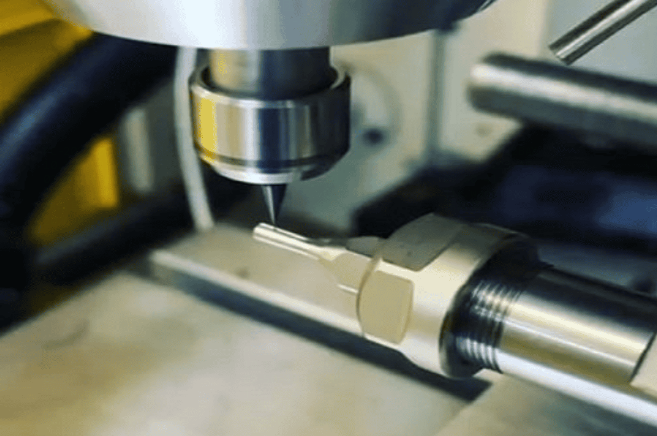
Insert molding involves pre-placing metal components into the mold cavity before molten plastic fills the mold. This process can be combined with micro injection molding. Metal inserts are positioned manually or by robotic arm; once the mold closes, plastic resin is injected in a single shot, and the molten material forms around the insert to create an integrated structure. After part ejection, the insert is removed and the cycle repeats.
Insert micro injection molding effectively improves product structural strength and functional integration. In the medical field it is used to manufacture components such as catheters, while in the electronics industry it is applied to micro-optical elements and integrated circuit components.
Overmolding
Overmolding is a branch technology of injection molding that involves injecting different materials or different colors of the same material into the same mold to form multi-material or multi-color composite parts. The process first injects the substrate, followed by a second injection with a different material or color, bonding the two layers into a single part.
This technology is commonly used to improve product grip feel and achieve multi-color appearance effects. Micro overmolding is suitable for small part manufacturing, such as multi-color buttons or housings for electronics products, and seals and gaskets in the automotive industry.
Micro Molding Material Selection
Material selection is a critical step in micro molding projects. Thermoplastic polymers and specialty resins must be carefully screened based on application scenarios, with biocompatibility requirements particularly stringent in the medical field. Common materials include:
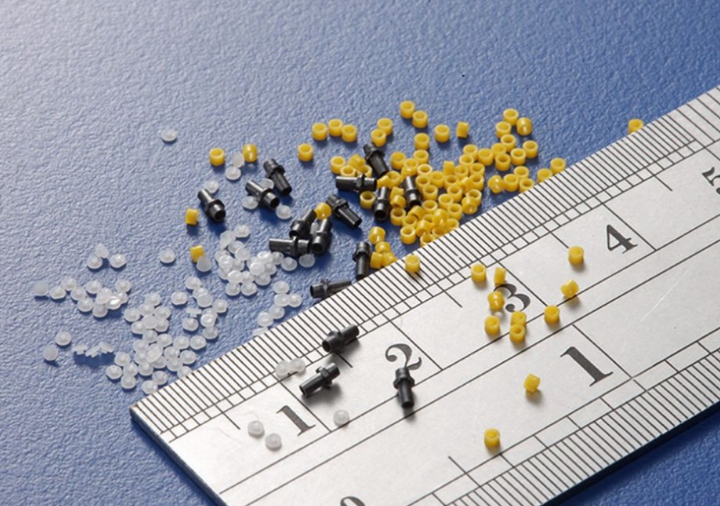
Polyethylene (PE)
PE is one of the most widely used thermoplastics globally, FDA-compliant and suitable for the food and beverage industry. It offers good chemical resistance, heat resistance and tensile strength, commonly found in packaging, consumer products and textiles.
Polypropylene (PP)
PP is known for its high rigidity, wide operating temperature range, chemical resistance and fatigue resistance, widely used in packaging, mechanical components, textiles and consumer products.
Nylon (Polyamide / PA)
Nylon is highly regarded for its chemical resistance, high strength and dimensional stability over a wide temperature range. Applications include textiles, electrical housings and mechanical components such as bearings, bushings and sprockets.
Polycarbonate (PC)
PC excels in transparency, optical clarity, tensile and impact strength, recyclability and chemical/Flame resistance, suitable for electrical housings, switches and machine guards.
Delrin® (Acetal / Polyoxymethylene / POM)
A DuPont registered trademark material known for its strength, toughness, rigidity, chemical resistance, flame retardancy, processability, dimensional stability and low friction coefficient. Commonly used for mechanical components such as gears, pulleys and rollers.
PSU (Polysulfone)
A semi-transparent thermoplastic with good biocompatibility and food contact compatibility, excellent mechanical properties and wide operating temperature range, suitable for food processing and medical industries.
PBT (Polybutylene Terephthalate)
PBT offers good dimensional stability, high strength, chemical and UV resistance, heat resistance and low moisture absorption. Commonly found in automotive fenders, electrical housings and power tool enclosures.
Acrylate (PMMA)
Acrylic resin is known for its optical transparency, tensile and impact strength, lightweight and durability. Often used as a glass substitute for signage, windows and machine guards.
PEEK (Polyether Ether Ketone)
A specialty thermoplastic with a wide operating temperature range up to 250°C, combining high strength, excellent chemical resistance and high rigidity. Applications include bushings, bearings, seals, valves, fittings, electrical housings and connectors.
ULTEM® (PEI / Polyetherimide)
PEI is known for its rigidity, high mechanical strength and creep resistance over a wide temperature range. An excellent electrical insulator, suitable for electronics coils, fuses and aircraft interior components.
LCP (Liquid Crystal Polymer)
LCP maintains ordered microstructures in both liquid and solid phases, giving it exceptional mechanical strength, temperature resistance and flame retardancy. Applications include electrical connectors, catheters, surgical instruments, dental tools and cookware coatings.
Micro Molding Technology Advantages
Micro injection molding delivers multiple values for manufacturers and end users, with core advantages as follows:
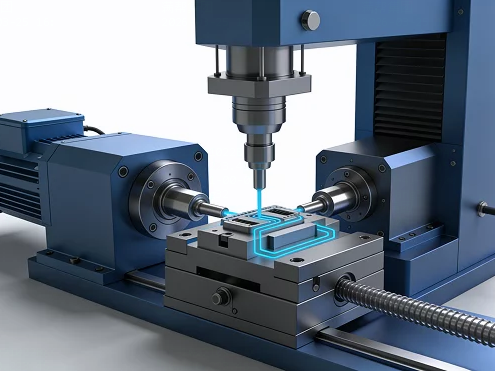
Lightweight
Micro molding technology produces precision parts with extremely low weight. This property is especially important in medical implant design — lighter structures directly improve patient wear comfort. Meanwhile, lightweight micro parts play a key enabling role in the miniaturization of electronics devices and microfluidic systems such as small valves and fittings.
Ultra-Small Size
Micro molding not only achieves lightweight parts but also compresses their physical dimensions to the micrometer scale. Advanced technologies such as micromachining and EDM are used to produce high-precision micro cavities and cores, allowing molded parts to fit easily into tight spaces. This process has become the mainstream choice for manufacturing tiny components such as electronics products, orthopedic implants, pacemakers and micro-optical devices.
Efficient Production
Micro injection molding supports batch production, with multiple precision parts produced per cycle. High automation reduces manual intervention and effectively shortens per-part manufacturing time.
Precision Tolerances
With micro-EDM and ultra-precision mold manufacturing technology, micro molded parts achieve micron-level tolerance control, meeting high-precision assembly and functional requirements.
Chemical Resistance
Select engineering plastic grades offer excellent chemical resistance, allowing micro parts to maintain structural stability and functional integrity in corrosive environments.

In need of custom micro molding services?
Micro Molding Industry Applications
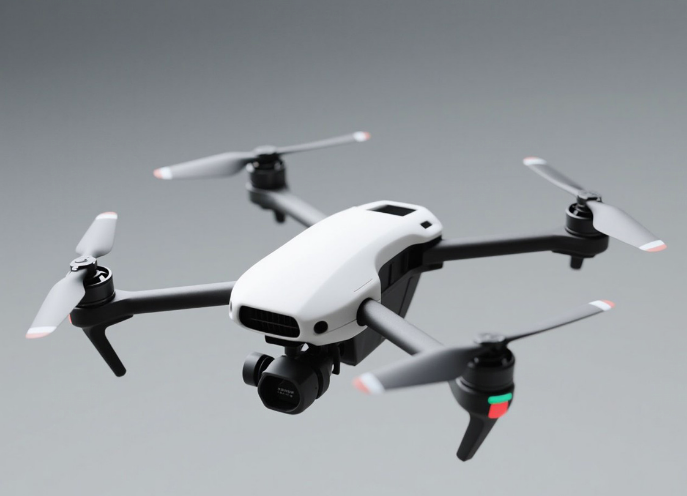
Drone Systems
Drones are remotely controlled or autonomous unmanned aerial vehicles widely used in surveillance, mapping and consumer entertainment. Micro injection molded components are critical to their functionality and performance:
- Optical device housings, switches and connectors
- Actuators and transmission gears
- Sensor packaging enclosures
- Structural support components
- Common materials include PC, Polyoxymethylene (POM / Acetal), Acrylate, PEI and Nylon.
Surveillance Equipment
CCTV cameras, body cameras and other surveillance equipment are typical application areas for micro molded components. As electronics continue to miniaturize, internal components require increasingly tight tolerance control and precision. Micro molded components in surveillance equipment include:
- Optical lenses
- Reflective mirrors
- Interface connectors
- Control switches
- PE, PP and acrylic plastics are commonly used in this field.
Fitness Trackers
Fitness trackers are popular medical and consumer electronics devices that monitor health metrics such as heart rate, respiratory rate, distance traveled and sleep cycles. These devices require miniaturized, comfortable-to-wear and low-intrusive designs while maintaining full functionality. Micro injection molded components include:
- Control switches
- Housing structures
- Interface connectors
- Nylon, Acrylic and Polycarbonate (PC) are common materials.
Robotics Technology
Similar to surveillance equipment and fitness trackers, the electronic components inside robotics systems are micro-sized, imposing strict dimensional tolerance requirements. Micro molded parts reduce overall device weight while helping improve motion performance and functional integration. Robotics applications include:
- Sensor housings
- Switches and connectors
- Gears and actuators
- Polyoxymethylene (POM / Acetal), Polypropylene (PP), Polycarbonate (PC), Polyethylene (PE) and Acrylate are common material choices.
Automotive Industry:
Micro molding technology helps reduce automotive component dimensions, driving vehicle lightweighting, energy efficiency improvement and performance optimization. Automotive industry applications include:
- Brake system components
- Fasteners such as washers and clips
- Door lock mechanisms
- Control switches
- Micro transmission gears
- Operation buttons
Additional Micro Molding Service Features
KH-TAT micro molding services cover the following specialized areas:
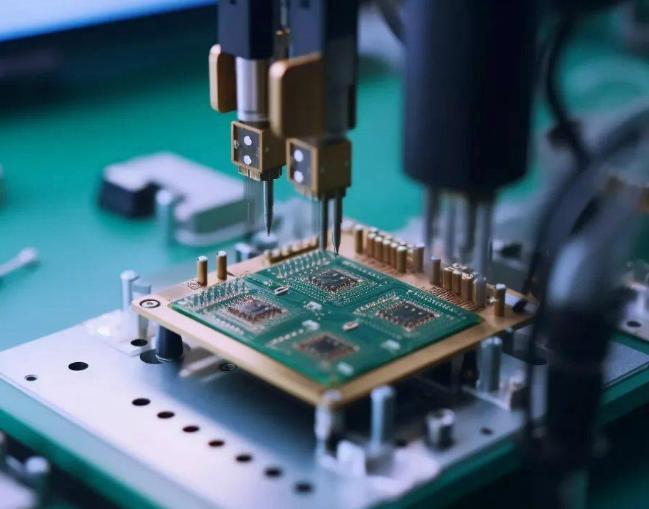
Surface Quality Control
The surface finish of micro injection molded parts affects not only appearance but also directly relates to functional performance. Micromachining and EDM technologies are applied to precision manufacturing of micro mold cavities, ensuring dimensional accuracy while creating ideal textures on cavity surfaces for smooth, refined molded part surfaces.
FDA Compliance Support
FDA standards set clear regulatory requirements for devices and components used in the medical field. KH-TAT is ISO 13485 certified, with deep medical manufacturing experience and industry heritage, ensuring micro parts meet the highest quality standards while complying with relevant regulations.
High-Volume Production Capability
Same as standard injection molding, micro injection molding supports high-volume production of precision parts. Molds can be designed with multiple cavities, producing multiple parts simultaneously in standard 30 to 60 second cycles. With this technology, manufacturers can stably achieve output of hundreds to thousands of parts per day.
Drug Delivery Device Manufacturing
Drug delivery devices are medical devices that deliver drugs or therapeutic agents to specific parts of the human body with controlled release. Traditional delivery methods include oral, inhalation, injection and topical application. With advances in medical technology, micro molding has enabled new types of drug delivery devices, such as microneedle patches covered with micron-scale tips, and small robotic capsules for treating digestive tract diseases. KH-TAT's micro molding capabilities support the manufacturing of such innovative devices.
Micro Molding Alternatives
KH-TAT offers the following alternative paths to micro molding processes:
- 3D Printing
- Micro-Machining
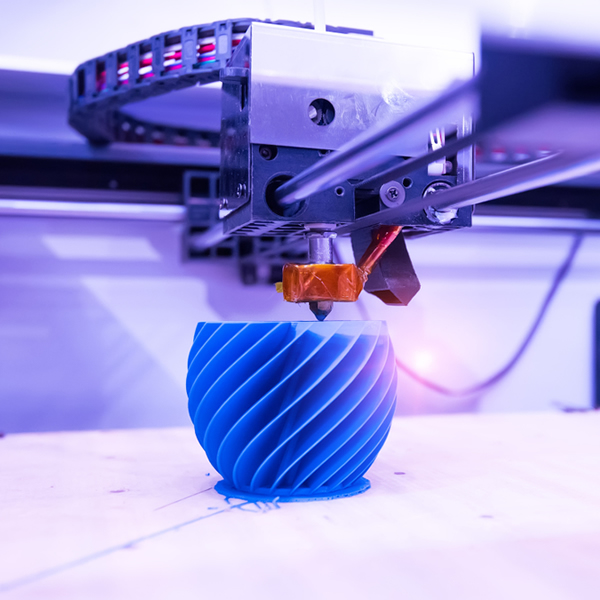
- 3D Printing:3D printing is an effective complementary solution for micro molding, capable of producing tiny plastic or metal parts with complex features. This process builds up material layer by layer until a complete 3D structure is formed. Technologies like SLA, DLP, SLS, and SLM can achieve dimensional accuracy of ±0.010".Although 3D printing can match micro molding in precision, per-unit costs are typically higher due to equipment investment and longer processing cycles.
- Micro Machining:Micro machining is a branch of CNC machining, encompassing micro milling and micro EDM. Micro milling can achieve tolerances down to 0.001", while μEDM reaches 0.008" or 0.02mm precision. While micro machining is comparable to micro molding in tolerance control, μEDM equipment costs are higher and processing is slower, leading to increased overall manufacturing costs.
Why Choose Kh-tat for Micro Molding Services?

Endless Options
Choose from millions of combinations of materials, surface finishes, tolerance levels, marking methods, and certifications to flexibly match your order requirements for truly customized manufacturing.

Easy to Use
No need to handle procurement, project management, logistics, or shipping yourself — we handle everything, parts arrive directly at your door, letting you focus on your core business.

Quality Assurance
KH-TAT is Certified to ISO 9001:2015, ISO 13485, IATF 16949:2016, and AS9100D, ensuring every part meets strict industry standards and quality requirements.