KH-TAT Compression Molding Solutions
Compression molding is a highly adaptable manufacturing process that KH-TAT applies to producing high-strength complex structural parts. The process places pre-weighed material (such as silicone, EPDM, or NBR) into a heated cavity and closes the mold under pressure until the material is fully cured.
This method is especially suitable for custom seals, gaskets, and rubber components, with finished parts offering excellent surface quality, dimensional stability, and high temperature and chemical corrosion resistance. Services cover automotive, aerospace, electrical equipment, and medical device industries.
KH-TAT connects you with quality compression molding suppliers for precise solutions and efficient execution. We provide full-process project management from concept design to finished delivery, backed by professional technical guidance and reliable service support.
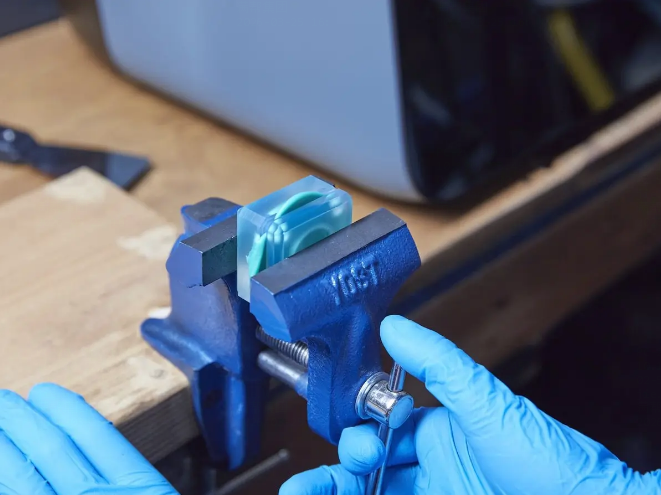
Compression Molding Material System
While carbon fiber composites and thermoplastics can both be compression molded, KH-TAT's core expertise lies in rubber elastomers. These materials excel in harsh conditions due to their flexibility, resilience, and heat, chemical, and wear resistance.
Available Rubber Elastomer Types
Silicone:Maintains excellent flexibility and structural stability over a wide temperature range, suitable for heat resistance, electrical insulation and biocompatibility requirements.
NBR (Nitrile Butadiene Rubber):Outstanding resistance to oil, fuel and hydrocarbons, widely used for seals and gaskets in automotive and industrial environments.
HNBR (Hydrogenated Nitrile Butadiene Rubber): Retains NBR's oil resistance while improving heat and ozone resistance, suitable for high-performance dynamic sealing applications.
FKM (Viton®) - Resists high temperatures, strong chemicals and corrosive fluids, a commonly used material in aerospace and automotive fields.
EPDM (Ethylene Propylene Diene Monomer): Excellent weather, ozone and UV resistance, suitable for outdoor equipment, HVAC and automotive systems.
IIR (Butyl Rubber): Low gas permeability with moisture and chemical resistance, suitable for hermetic seals, pharmaceutical packaging and damping structures.
CR (Neoprene): Combines weather resistance, oil resistance and flame retardant properties, used in automotive, marine and industrial components.
FVMQ (Fluorosilicone): Retains silicone's flexibility and thermal stability with added fuel oil resistance, suitable for aerospace and automotive fuel systems.
FFKM (Perfluoroelastomer): FThe elastomer category with the highest chemical and heat resistance, the first choice for critical seals in semiconductor, chemical and pharmaceutical industries.
Compression Molding Advantages
This process is widely recognized in engineering applications, with core values reflected in the following aspects:
- Complex Geometry Capability:Can produce complex geometries difficult for other processes, including fine features, undercut structures and variable cross-section profiles, meeting both functional and aesthetic design requirements.
- Strong Economic Performance:Relatively simple mold structure with high material utilization rate, offering cost advantages for medium to high volume production. Controllable molding process and excellent finished surface quality reduce secondary processing costs.
- Variable Wall Thickness Adaptability:Parts with varying wall thickness can be molded in the same tool, achieving optimal balance of strength and weight to accommodate complex functional structure designs.
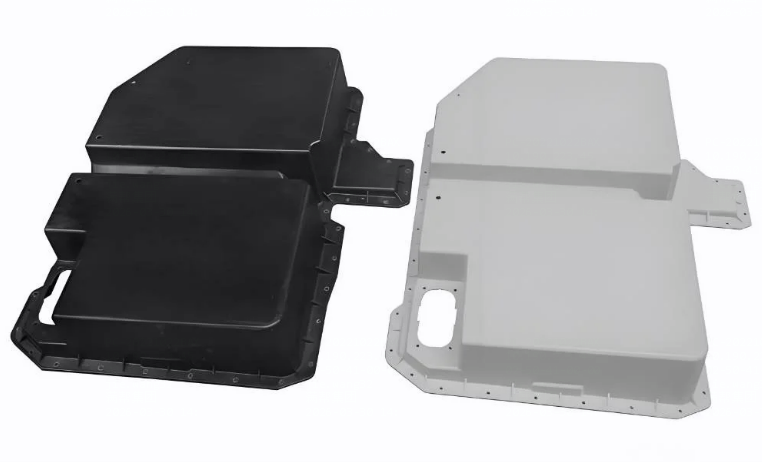
Creates Unique Shapes
Compression molding enables the production of complex forms that are challenging to achieve with other methods. It allows for intricate details, undercuts, and varying contours within a single part, allowing designers to tailor parts precisely to functional and aesthetic specifications.
Cost Effective
This manufacturing method uses relatively simple tooling and generates minimal material waste, making it a cost-effective option for medium- to high-volume production. The controlled molding process also produces high-quality surface finishes, reducing or eliminating the need for costly post-machining or secondary finishing operations.
Supports Variable Thicknesses
The compression molding technique supports parts with walls that can vary in thickness within a single mold, allowing designs that optimize strength and weight. This flexibility accommodates complex geometries and functional variations that can be difficult to achieve using other processes.
Compression Molding Typical Applications
This technology serves a wide range of industries with strict requirements for part durability, structural precision and environmental adaptability:
- Dental & Medical:Used to produce biocompatible seals, diaphragms and flexible components that meet clean environment and precision fit requirements. Process stability ensures smooth surfaces and consistent batches, with silicone being the preferred material for its thermal stability and biosafety.
- Consumer Products Sector:Suitable for custom-shaped handles, soft-touch surfaces and elastic functional parts such as grips, cushions and control buttons. EPDM material stands out for its durability and comfort.
- Food & Beverage Industry:Food-grade silicone parts must meet regulatory standards and remain reliable under temperature and pressure fluctuations. Compression molding produces gaskets, seals andmating components for processing equipment. The material's inertness allows repeated sterilization, and surface integrity meets standards without post-processing.
- Industrial Manufacturing Environment:Used to produce durable goods such as seals, damping elements and protective covers. Materials like NBR, HNBR and FKM (Viton®) resist oils, chemicals and extreme temperatures. The process can form thick or irregular structures, with consistent performance meeting high-stress operating requirements.
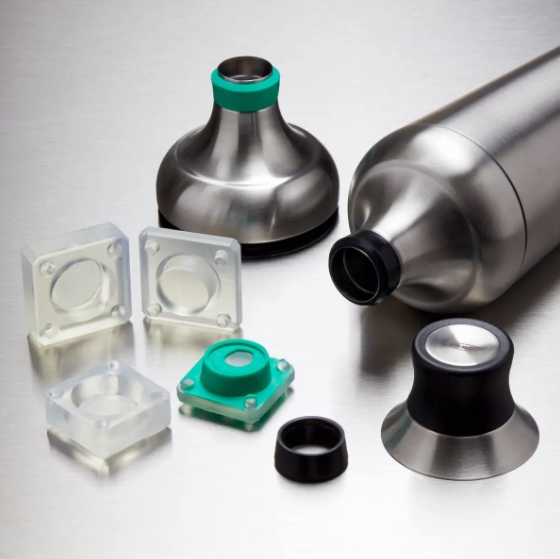
Dental and Medical
In the dental and medical sectors, compression molding is ideal for producing biocompatible seals, diaphragms, and flexible components where cleanliness and precision are essential. The process ensures consistent part quality and smooth surface finishes, both critical for hygienic applications. Silicone is a common choice due to its excellent thermal stability, chemical resistance, and proven safety in medical environments.
Consumer Products
Compression molding is often chosen for consumer goods that require custom shapes, soft-touch surfaces, or flexible features, like grips, pads, or buttons. EPDM is suitable for consumer products for its durability, weather resistance, and comfort.
Food and Beverage
This industry demands materials that meet strict regulatory standards while performing reliably under temperature and pressure changes. Food-grade silicone is the top choice for gaskets, seals, and components in processing equipment due to its non-reactive nature and ability to withstand repeated sanitization. Compression molding offers the precision and surface integrity required for food-safe parts without post-processing.
Manufacturing
In industrial and manufacturing environments, compression molding creates durable parts such as seals, vibration dampers, and protective covers. Materials like NBR, HNBR, and FKM (Viton®) are selected for their resistance to oils, chemicals, and extreme temperatures. The ability to mold thick or irregular shapes with consistent performance makes this process ideal for high-stress operational components.
What is Compression Molding?
Compression molding, also known as pressure molding or press molding, is a manufacturing process used to shape materials such as thermosetting plastics, rubbers, or composite fibers by applying heat and pressure. The process begins with a pre-measured shot of material placed into a heated mold cavity. The mold is then closed, and the material is pressed with high pressure to force it to flow and fill the shape of the mold. Heat and pressure are held until the material cures. Once cured, the mold opens, and the formed part is ejected.
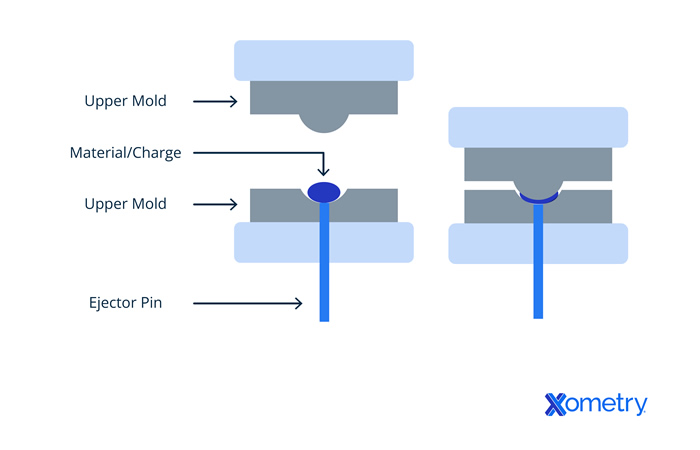
This technique is commonly used to produce strong, durable parts with complex shapes, making it popular in automotive, aerospace, and appliance industries. Compression molding is valued for its cost-effectiveness in medium to high-volume production, low material waste, and ability to create components with varied wall thicknesses that exhibit excellent mechanical performance.
Compression Molding Process Explained
Compression molding, also known as pressure molding or compression forming, is a manufacturing method that shapes thermoset plastics, rubber, and composite fiber materials through the combined action of heat and pressure. The process begins by placing pre-weighed material into a heated cavity, then closing the mold and applying high pressure to force the material to flow and fill the cavity. Under sustained heat and pressure, the material completes cross-linking and curing. After the cure cycle, the mold opens and the molded part is ejected.
This technology is widely used for manufacturing complex-shaped, high-strength, durable components, holding an important position in automotive, aerospace, and home appliance industries. Compression molding demonstrates good economics in medium to high volume production, with high material utilization, ability to form variable wall thickness parts, and stable finished mechanical properties, making it highly favored in engineering fields.
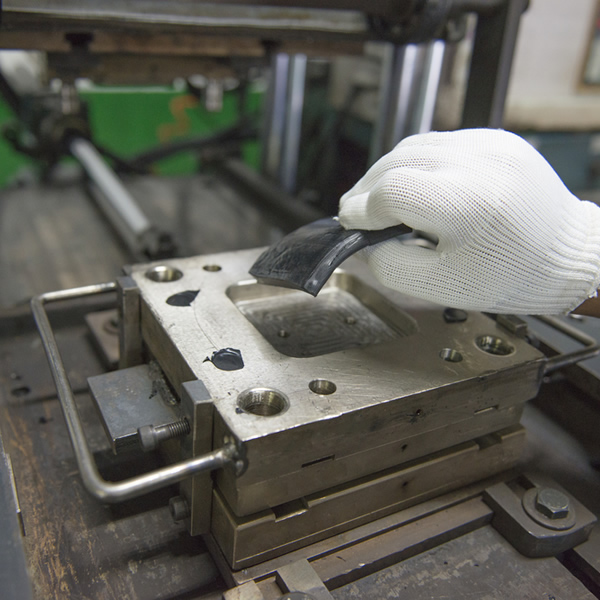
Compression Molding Mold Design & Process Control
Mold design directly determines the success or failure of compression molding. Cavity geometry, material flow paths, vent channel layout and parting line positions all require precise planning based on the rheological properties of the selected material under high temperature and pressure. Proper design effectively reduces molding defects such as voids, incomplete filling and warpage.
Charge form and placement also affect molding quality, while the mold's high-load bearing capacity relates to production cycle time, yield rate and product performance. A well-designed compression mold not only improves finished part quality but also extends mold service life, spreading per-unit manufacturing costs.
A comprehensive understanding of the complete process chain from raw material preparation to part demolding is the prerequisite for achieving high-quality, cost-effective molding results. The following is the standard compression molding process breakdown:
1. Raw Material Preparation:Based on material properties and application requirements, a measured quantity of molding material, called the "charge," is prepared. Charge forms can be pellets, pastes, sheets or preforms, depending on the material type (primarily thermosets or composites).
2. Mold Preheating:The compression mold is heated to the set temperature, typically in the 250°F to 400°F range, establishing thermodynamic conditions for subsequent material curing.
3. Charge Placement:The pre-prepared charge is precisely placed at the designated position in the heated cavity. Placement position and method must ensure uniform material distribution, minimizing flash waste and molding defects.
4. Mold Closing & Pressurization:The press drives the upper and lower platens together, with pressure typically ranging from 100 to 2000 tons, depending on part size and material properties. High pressure forces the charge to flow and completely fill the cavity contour.
5. Curing Stage:Under sustained pressure and temperature, the material undergoes chemical crosslinking reactions, gradually hardening into its final form. This stage ensures the molded part maintains its final geometry and structural strength.
6. Mold Opening & Part Removal:When curing is complete, the press opens and the molded part is released from the mold. Excess flash around the edges is then removed, with secondary finishing applied as needed.
Kh-tat Alternatives to Compression Molding
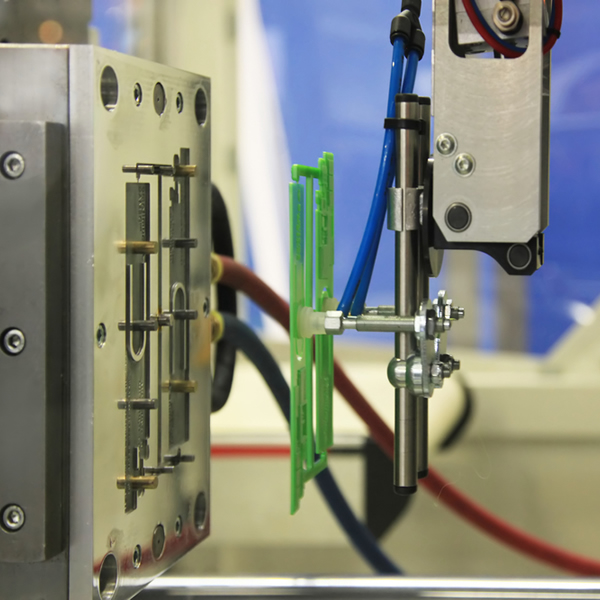
Custom Plastic Injection Molding
Auto-quote estimates for prototype and volume production with wide material and finish selections. Every order includes engineering review and full project management.

Liquid Silicone Rubber Molding
Custom silicone prototype and production parts in 15 business days with multiple hardness and grade LSR material options. Material availability may affect delivery.
Note: KH-TAT does not guarantee this service at all times.
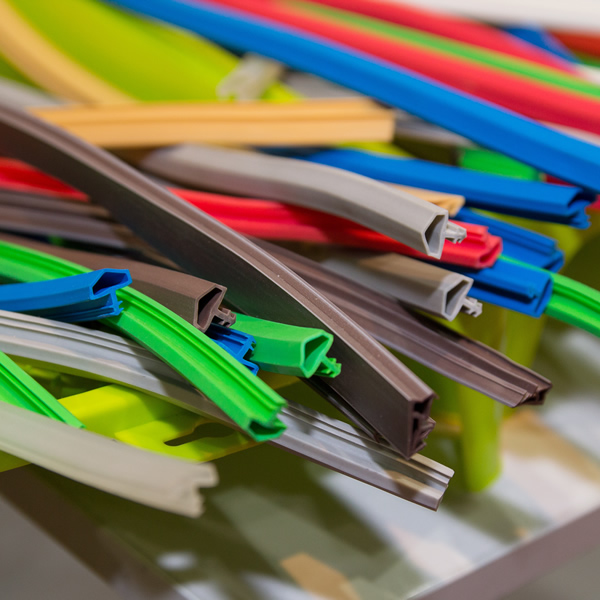
Custom Plastic Extrusion
KH-TAT provides high-quality, economical custom plastic profile extrusion service
Why Choose Kh-tat for Compression Molding?

Endless Options
Choose from millions of combinations of materials, surface finishes, tolerance levels, marking methods, and certifications to flexibly match your order requirements for truly customized manufacturing.

Easy to Use
No need to handle procurement, project management, logistics, or shipping yourself — we handle everything, parts arrive directly at your door, letting you focus on your core business.

Quality Assurance
KH-TAT is Certified to ISO 9001:2015, ISO 13485, IATF 16949:2016, and AS9100D, ensuring every part meets strict industry standards and quality requirements.
FAQ About Compression Molding Services